EN
EN ส่วนประกอบสำคัญของส่วนปลายของไหลของปั๊ม Frac: ฟังก์ชันและความแตกต่าง
Nov 20, 2025
ส่วนประกอบหลักของปลายของไหลของปั๊ม Frac
ที่ ปลายของเหลวปั๊ม frac เป็นส่วนประกอบสำคัญของอุปกรณ์ไฮดรอลิกพร่าพราย ซึ่งออกแบบมาเพื่อรองรับการถ่ายโอนของไหลแรงดันสูงในการใช้งานที่มีความต้องการสูง ส่วนปลายของไหลประกอบด้วยส่วนประกอบหลักหลายส่วน ซึ่งแต่ละส่วนมีบทบาทสำคัญในการทำให้แน่ใจว่าปั๊มทำงานได้อย่างมีประสิทธิภาพและเชื่อถือได้ ส่วนประกอบเหล่านี้ประกอบด้วย:
- บล็อกท้ายของไหล: ที่ core structure of the fluid end, designed to withstand extreme pressures and wear. It houses other components and connects directly to the pump's power end.
- วาล์ว: วาล์วจะควบคุมการไหลของของไหลผ่านปั๊ม และโดยทั่วไปจะได้รับการออกแบบให้เป็นบอลวาล์วหรือเช็ควาล์ว วาล์วเหล่านี้ช่วยให้ของเหลวไหลไปในทิศทางเดียวในขณะที่ป้องกันการไหลย้อนกลับ ทำให้มั่นใจได้ว่าของเหลวแรงดันสูงจะถูกสูบอย่างมีประสิทธิภาพ
- บ่าวาล์ว: บ่าวาล์วเป็นพื้นผิวปิดผนึกเพื่อให้วาล์วปิดอย่างถูกต้อง ส่วนประกอบเหล่านี้มีความสำคัญอย่างยิ่งต่อการรักษาประสิทธิภาพของปั๊ม เนื่องจากป้องกันการรั่วไหลของของไหลและช่วยรับประกันการทำงานที่แม่นยำของระบบปั๊ม
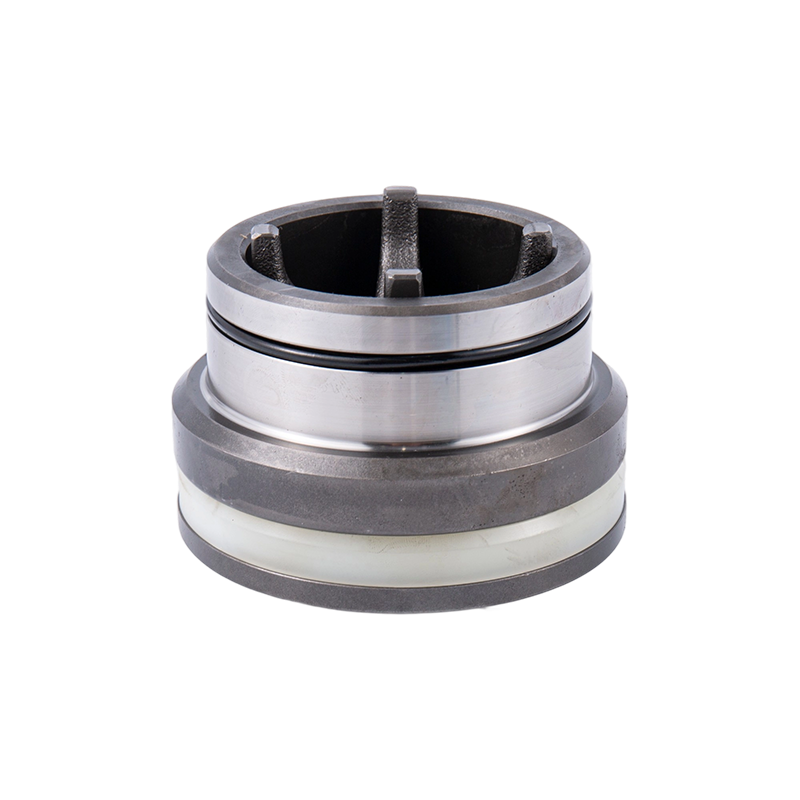
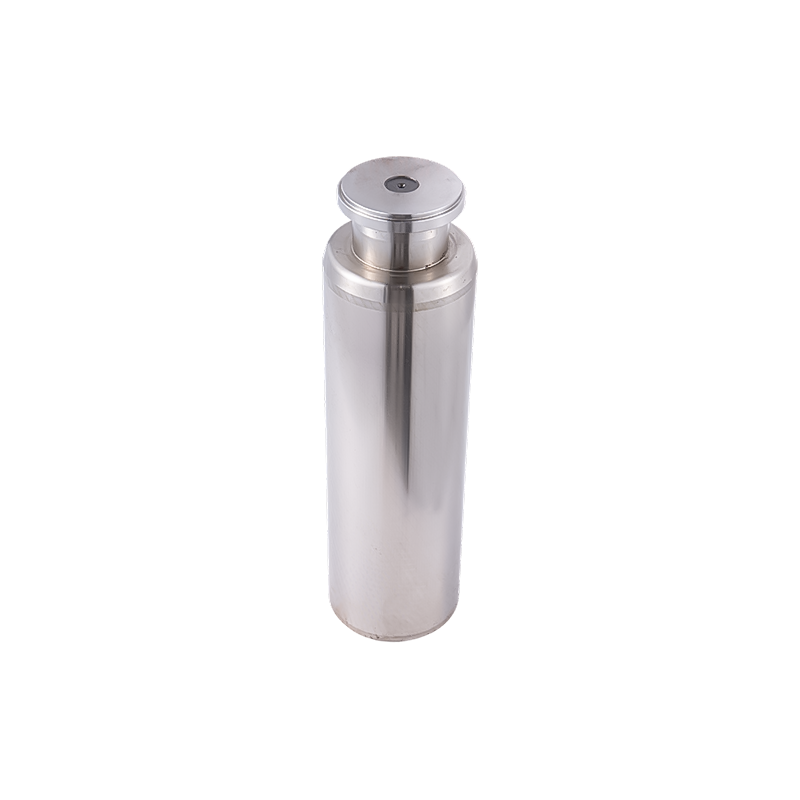
- ลูกสูบ: ลูกสูบมีหน้าที่สร้างแรงทางกลที่จำเป็นในการเคลื่อนย้ายของเหลวผ่านปั๊ม ในปั๊ม frac ประสิทธิภาพสูง ลูกสูบต้องรับมือกับแรงดันสูงและของเหลวที่มีฤทธิ์กัดกร่อนสูงมาก ซึ่งมักจะมีการเคลือบหรือวัสดุพิเศษเพื่อเพิ่มความทนทาน
- ก้านลูกสูบ: ที่ piston rods connect the reciprocating power end to the plungers. They transfer mechanical motion from the power end to the fluid end, driving the plungers in and out to generate fluid flow.
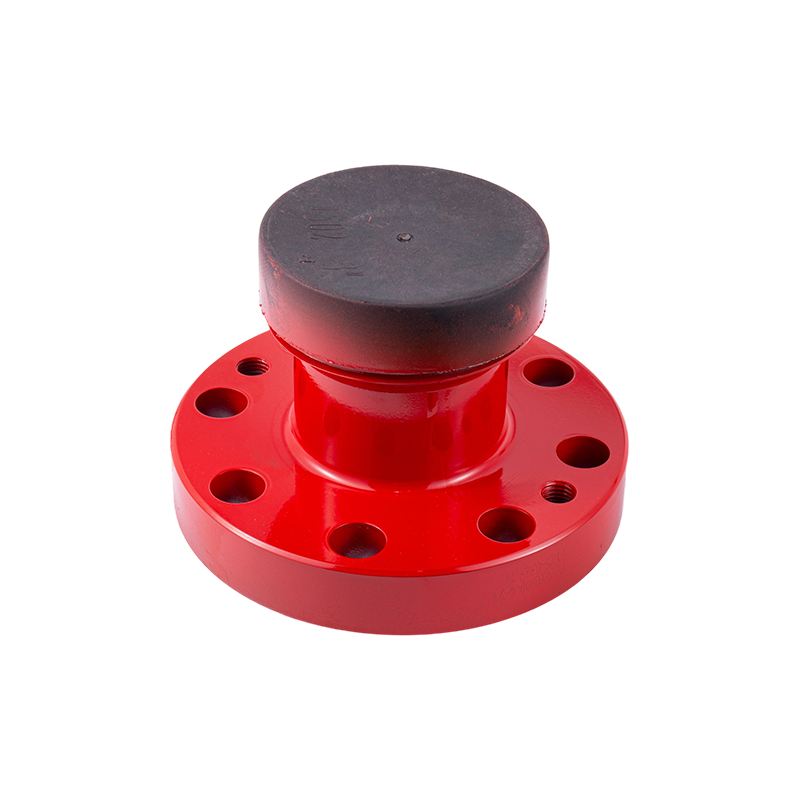
- ฟิตติ้งและหน้าแปลน: ที่se provide the necessary connections for high-pressure fluid intake and discharge. Proper installation of these fittings is crucial to avoiding leaks and maintaining pump efficiency under extreme conditions.
หน้าที่ของของเหลวส่วนปลายในปั๊มโคลน
ที่ fluid end of a mud pump is responsible for pumping drilling mud into the wellbore under high pressure, ensuring that the well remains clean and stable during the drilling process. The fluid end's role is to maintain consistent fluid flow, prevent contamination, and ensure efficient operation. The primary functions of a fluid end in a mud pump include:
- แรงดัน: ที่ fluid end is responsible for creating the high pressures required to circulate drilling mud to the surface, ensuring proper wellbore cleaning and cooling of the drill bit.
- การควบคุมการไหล: ควบคุมอัตราและทิศทางการไหลของของไหล ด้วยการจัดการการไหลของโคลนผ่านระบบ ส่วนปลายของไหลจะช่วยรักษาการไหลเวียนที่สม่ำเสมอ ป้องกันการพังทลายของหลุมเจาะหรือการปนเปื้อนของของเหลว
- การกรอง: ในปั๊มโคลนบางรุ่น ส่วนปลายของของไหลจะมีส่วนประกอบของการกรองที่ช่วยแยกอนุภาคของแข็งออกจากโคลน ช่วยให้มั่นใจว่าปั๊มทำงานได้อย่างราบรื่นและลดความเสี่ยงที่ปั๊มจะล้มเหลวเนื่องจากวัสดุที่มีฤทธิ์กัดกร่อน
- การลดอัตราการเต้นเป็นจังหวะ: ที่ fluid end also reduces the pulsating effect commonly associated with pump strokes. This reduction is vital for maintaining a smooth, continuous flow of fluid into the wellbore.
ความแตกต่างระหว่าง ปลายของไหล และ สิ้นสุดอำนาจ
แม้ว่าทั้งส่วนปลายของไหลและส่วนท้ายของกำลังเป็นส่วนสำคัญในการทำงานของปั๊ม frac หรือปั๊มโคลน แต่ฟังก์ชันและลักษณะการออกแบบจะแตกต่างกันอย่างมาก การทำความเข้าใจความแตกต่างเหล่านี้มีความสำคัญอย่างยิ่งต่อการบำรุงรักษาและใช้งานระบบปั๊มอย่างมีประสิทธิภาพ:
| Fluid End | Power End |
| ที่ fluid end is responsible for handling the fluid directly, creating the pressure required to move the fluid through the system. It contains the valves, seats, plungers, and other components that control the flow and pressure of the fluid. | ที่ power end, on the other hand, generates mechanical force through its reciprocating motion. It houses the crankshaft, connecting rods, and other components that drive the pistons in the fluid end. |
| ที่ fluid end operates under extreme pressure and is subject to significant wear and tear due to the high velocity of fluid passing through it. | ที่ power end operates under high mechanical load but is less affected by fluid pressure compared to the fluid end. |
| ส่วนประกอบปลายของไหลมักทำจากวัสดุที่ทนทานและมีความแข็งแรงสูง เพื่อทนทานต่อการกัดเซาะและการกัดกร่อนที่เกิดจากของเหลวที่มีฤทธิ์กัดกร่อนหรือรุนแรงทางเคมี | โดยทั่วไปส่วนประกอบด้านระบบส่งกำลังถูกสร้างขึ้นเพื่อความทนทานทางกล โดยใช้วัสดุที่ออกแบบมาเพื่อรองรับแรงหนักโดยไม่เกิดความเสียหาย |
| ที่ fluid end often requires more frequent maintenance and replacement of components like valves, seats, and plungers due to wear. | ที่ power end generally requires less frequent maintenance, with most attention paid to the crankshaft and bearings. |
Quintuplex Fluid End ทำงานอย่างไร
ที่ quintuplex fluid end is an advanced pump design featuring five cylinders, or plungers, working simultaneously to deliver high flow rates and minimize pulsation. The quintuplex configuration improves upon the triplex (three-cylinder) and duplex (two-cylinder) designs by offering smoother, more consistent fluid delivery. The operation of a quintuplex fluid end is as follows:
- ห้าลูกสูบ: ที่ five plungers in the quintuplex fluid end operate in a staggered sequence. Each plunger completes its cycle at a different time, which smooths out the pressure waves and creates a more continuous fluid flow. This design is especially valuable for high-demand applications like hydraulic fracturing.
- ความสามารถในการไหลและแรงดันที่สูงขึ้น: ด้วยการใช้ห้ากระบอกสูบ ระบบ quintuplex สามารถรองรับอัตราการไหลและแรงกดดันที่สูงขึ้นได้ เมื่อเทียบกับปลายของไหลสามเท่าหรือดูเพล็กซ์ ทำให้เหมาะอย่างยิ่งสำหรับการสูบของเหลวที่มีความหนืดสูงหรือทำงานในสภาพหลุมที่ท้าทาย
- ลดการเต้นเป็นจังหวะ: ข้อได้เปรียบที่สำคัญประการหนึ่งของการออกแบบ quintuplex คือความสามารถในการลดการเต้นเป็นจังหวะในการปล่อยปั๊ม สิ่งนี้นำไปสู่การจ่ายของไหลที่สม่ำเสมอยิ่งขึ้นและความเครียดเชิงกลต่อระบบน้อยลง ปรับปรุงประสิทธิภาพและยืดอายุการใช้งานของส่วนประกอบปั๊ม
- เพิ่มความทนทาน: ที่ quintuplex fluid end is designed to operate under extreme conditions. The use of durable materials, such as high-strength alloys for plungers and valves, ensures long-lasting performance even in abrasive environments.